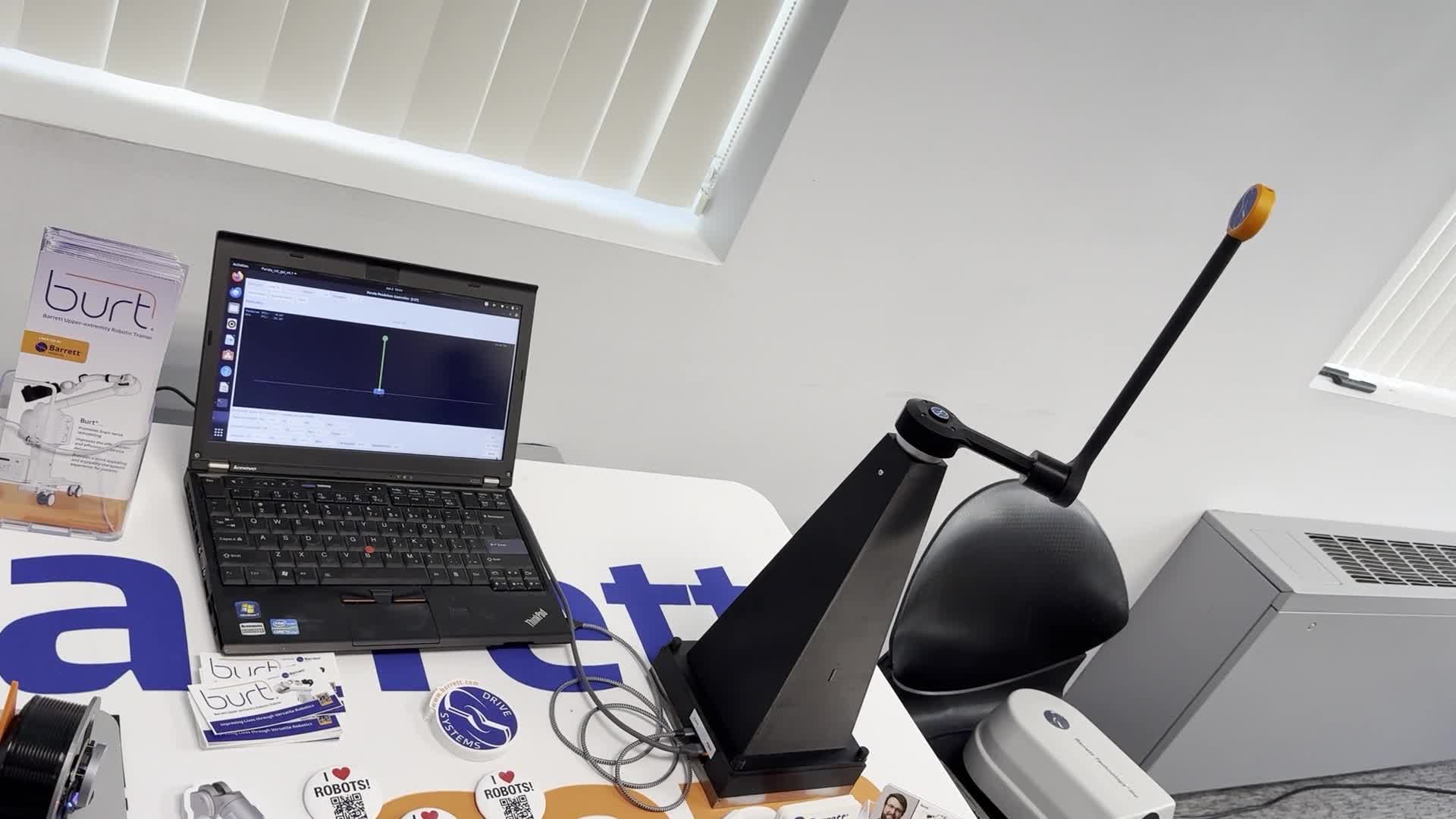
This video, created in 2026, is a 2-link Futura-style underactuated mechanism whose base axis is driven by a single Puck® brushless servomotor controller. The second, unactuated joint, has an encoder only — no motor. There is a weight at the end of the outer (2nd) link.
There are two phases of control. In the first swing-up phase, an energy technique is used. Once the outer link is within 20-degrees of vertical, the 2nd phase kicks in to maintain balance. Due to the low-friction joints, precision control, and high bandwidth, it merely uses linearized PID control to maintain balance.
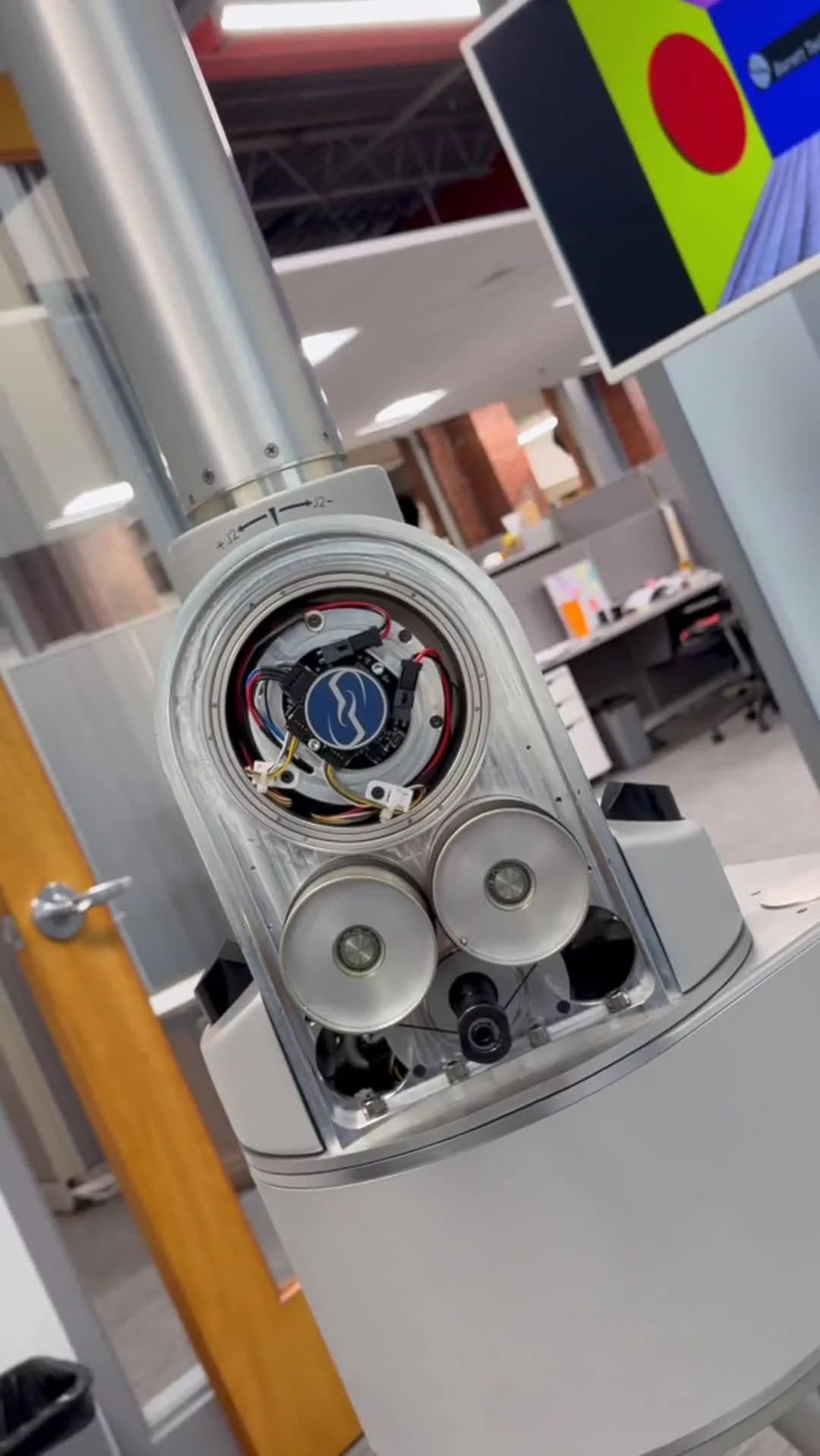
The specific Puck® used is the 2-gram, 400W P4-16™ variant, which you can see in the video at the top of the base.
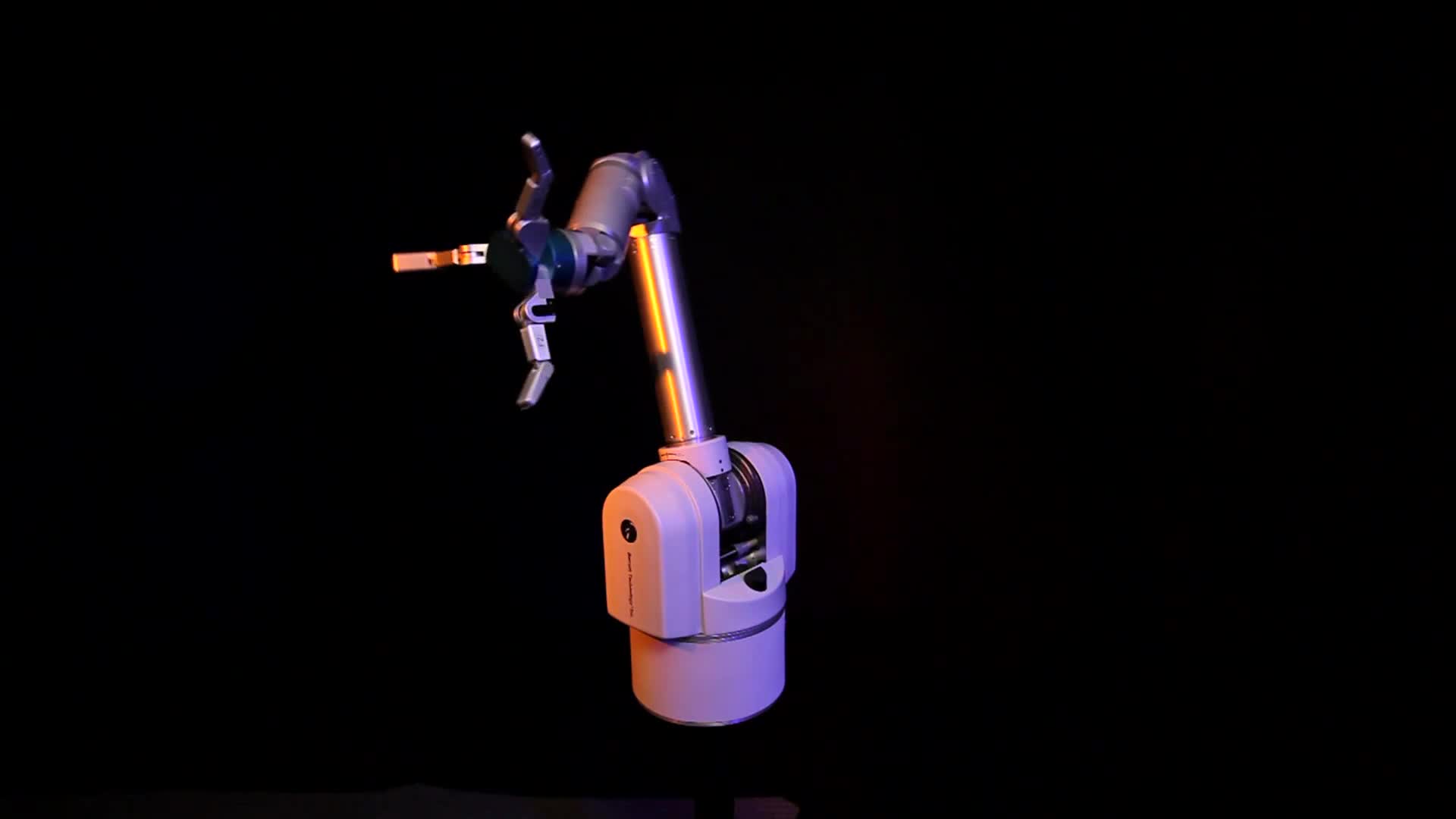
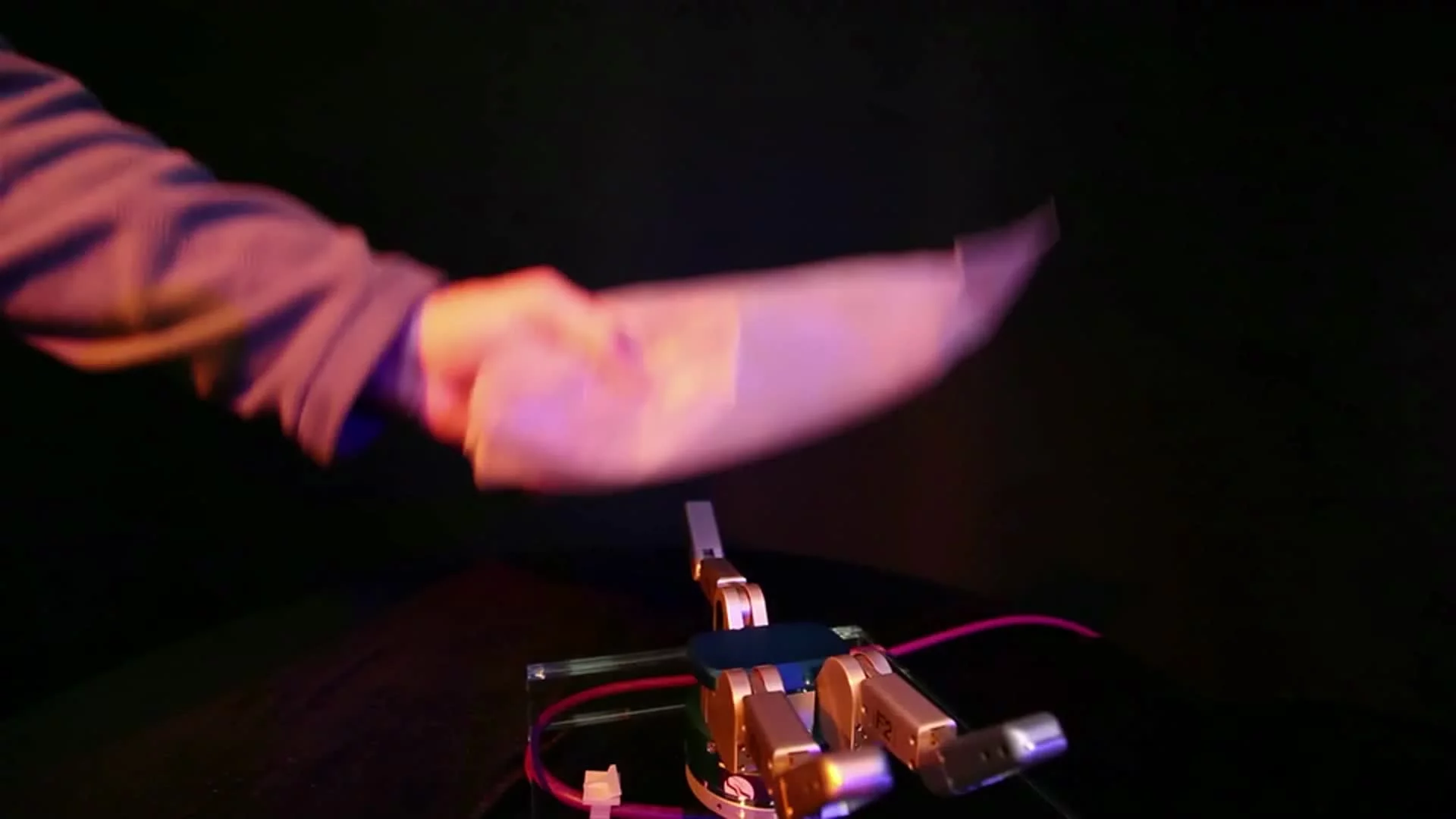
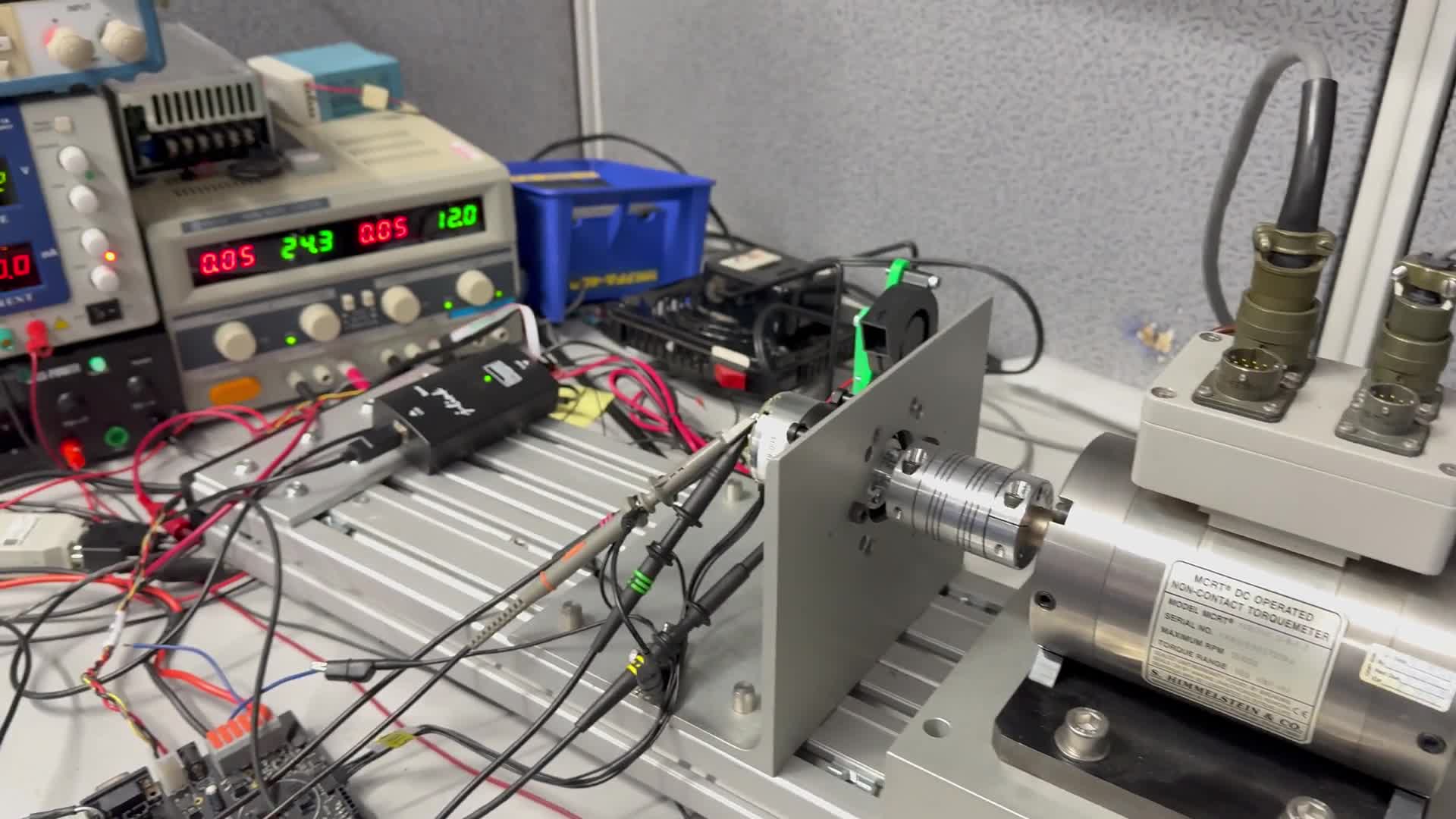
Barrett uses a sophisticated custom-designed dynamometer with an advanced particle brake as the programmable torque load to test the Puck® units on any motor.

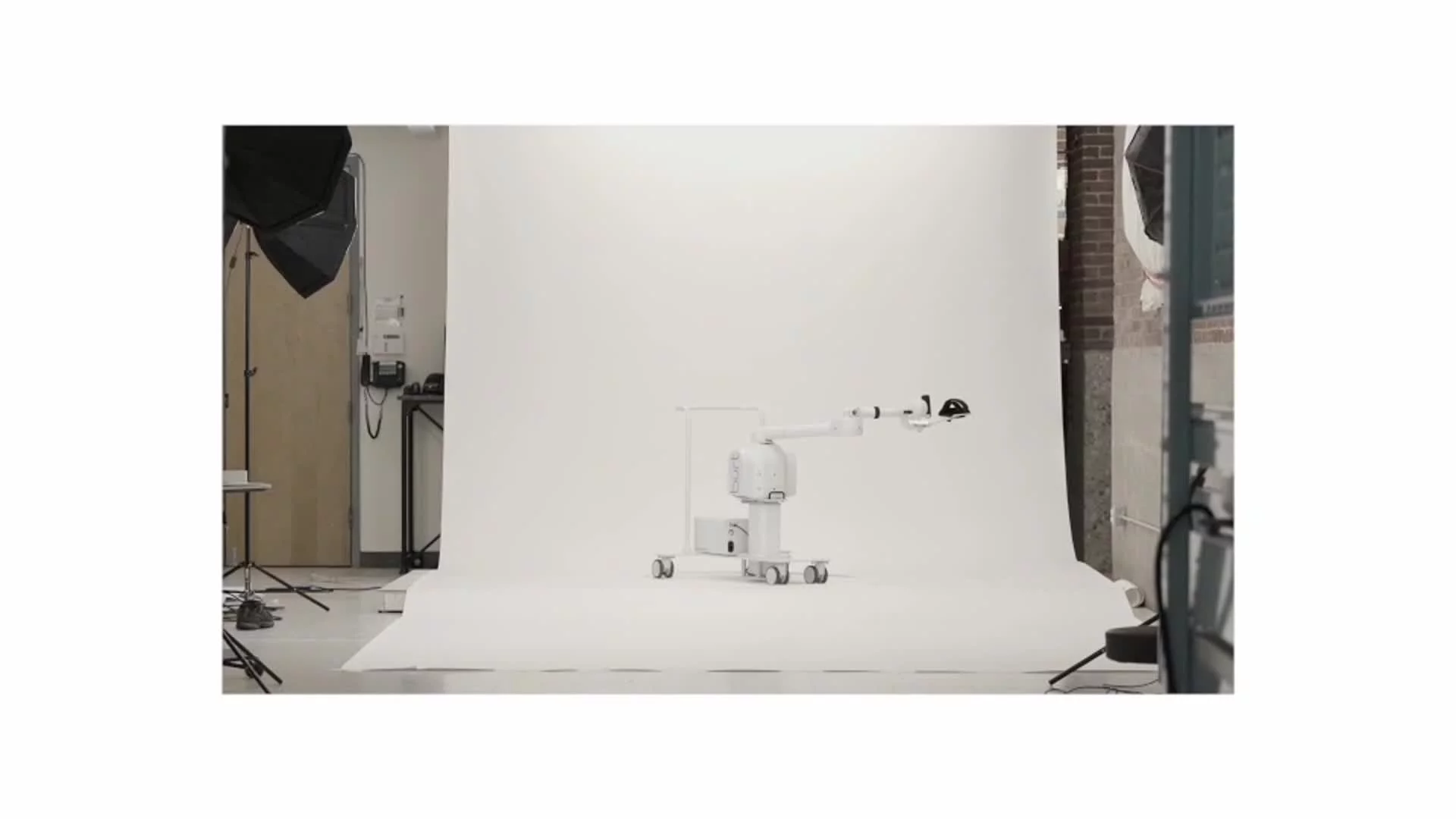

This video was shot in one take, pitching Barrett’s CEO, Bill Townsend, against Barrett’s Chief Commercial Officer (CCO), Matt Rigby, to see who could complete the DesertDriver™ course the fastest. The result came within a fraction of a second apart, a virtual tie.

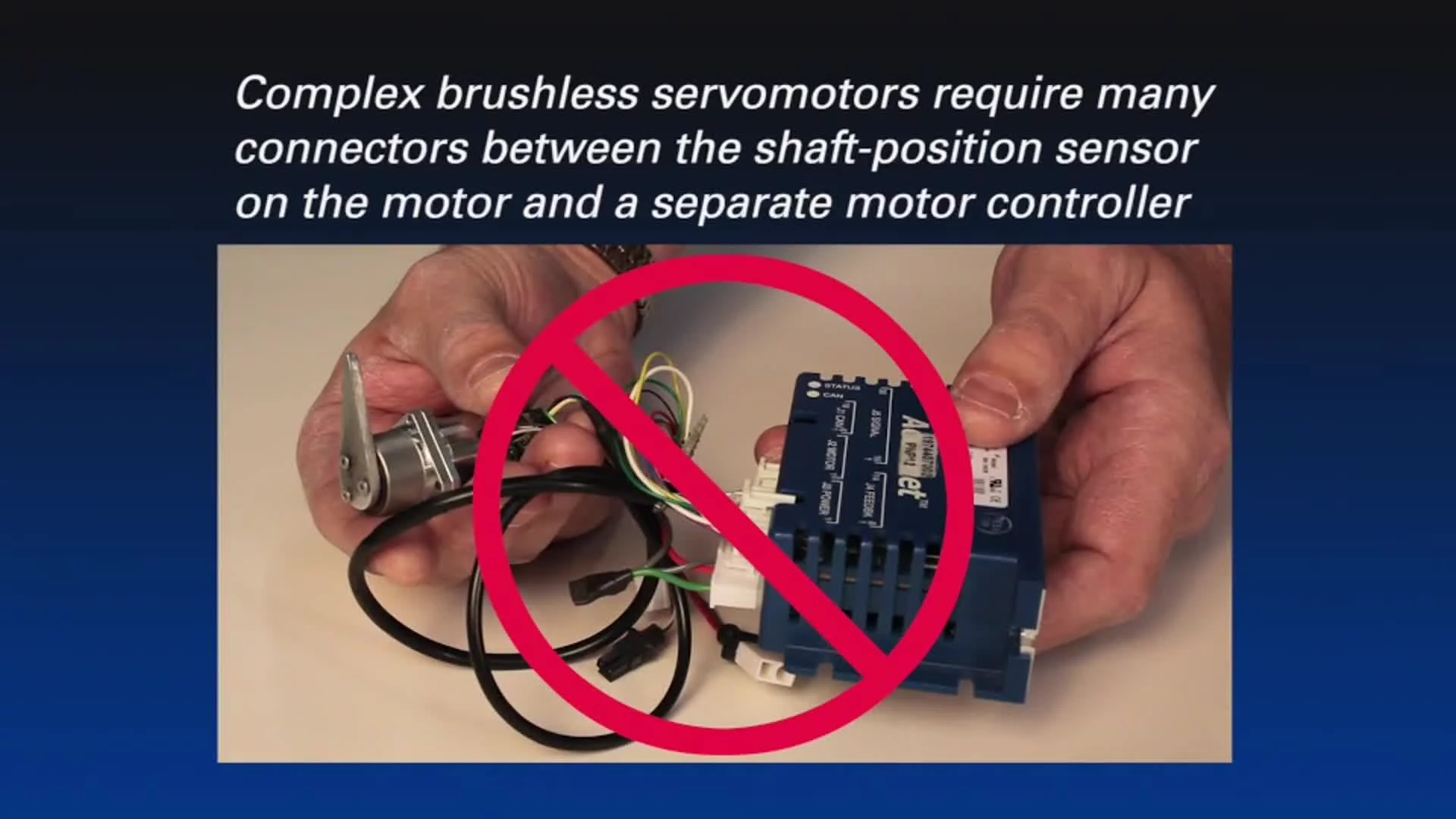
It has taken the entire 21st century (so far) to develop the Puck®, with thousands of lines of firmware, several US patents, and even more patents beyond the US. While the final result looks simple, the process of making a brushless motor controller bullet-proof and ultra-high performance takes significant time. You could build your own at great expense and you’d still be missing the millions of hours of Puck®-drive track record.
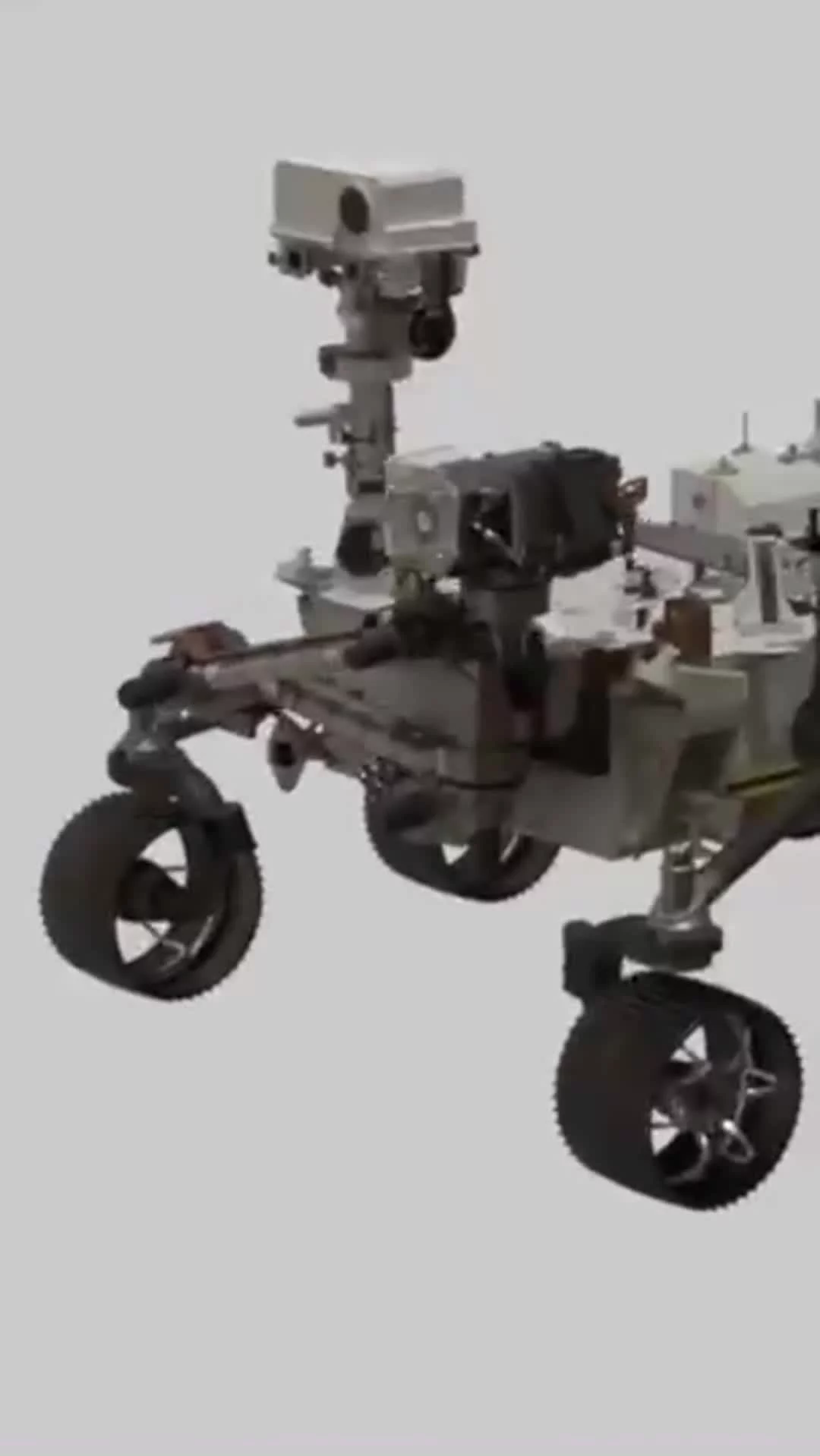
The Puck® is being tested on the 6-wheeled Athena Mars Rover prototype at NASA Jet Propulsion Laboratory in Pasadena, CA, USA.
Motor controllers have a terrible reputation for being anything but reliable and robust. Don’t gamble with your hard-won product or machine. The bullet-proof Puck® minimizes risk.

Follow a key part as it is shipped to Barrett, inspected, prepared, installed, system-tested, and shipped out in a Burt® system to a customer.
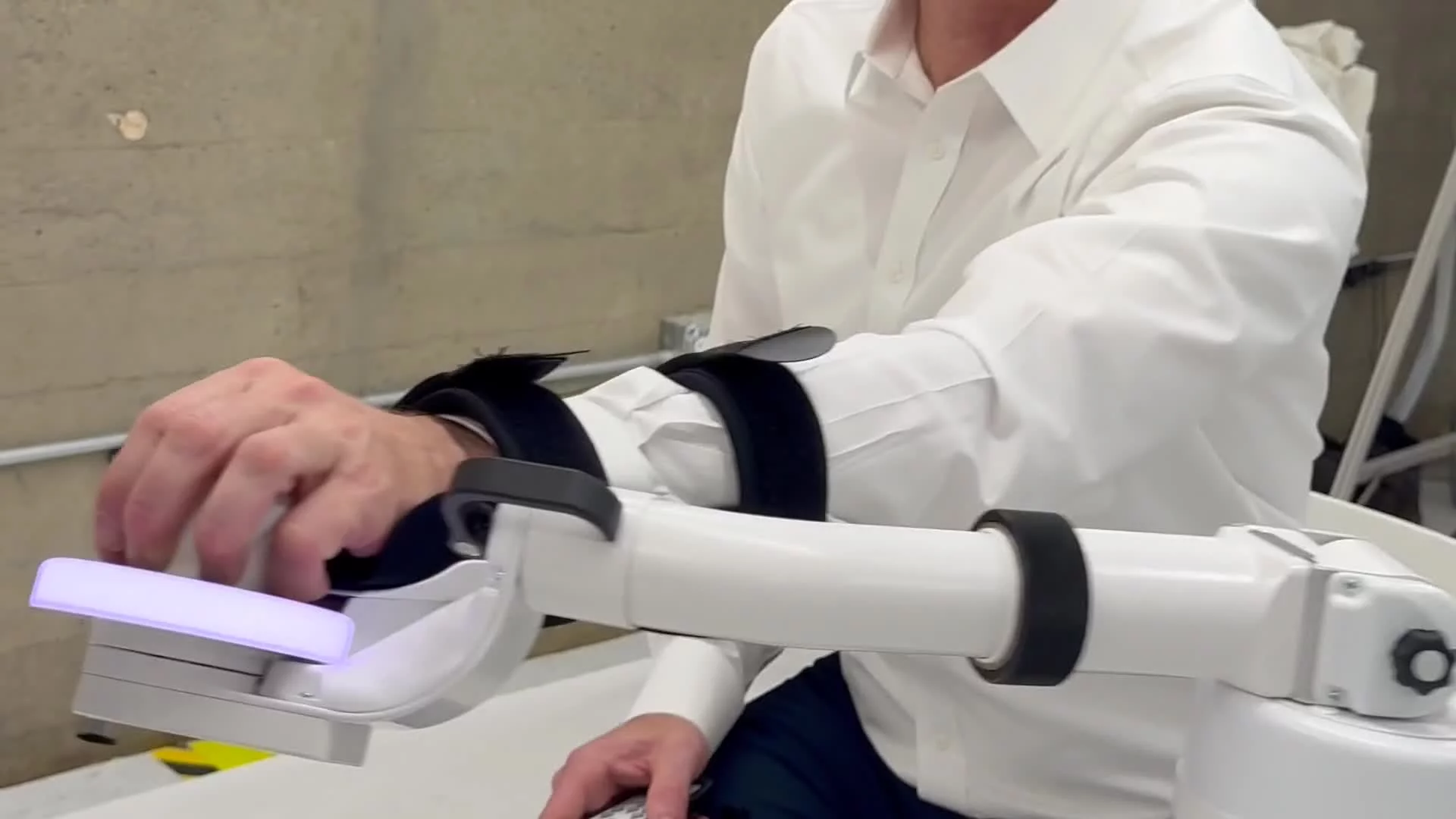
Patients need thousands (not merely hundreds) of repetition to show improvement.
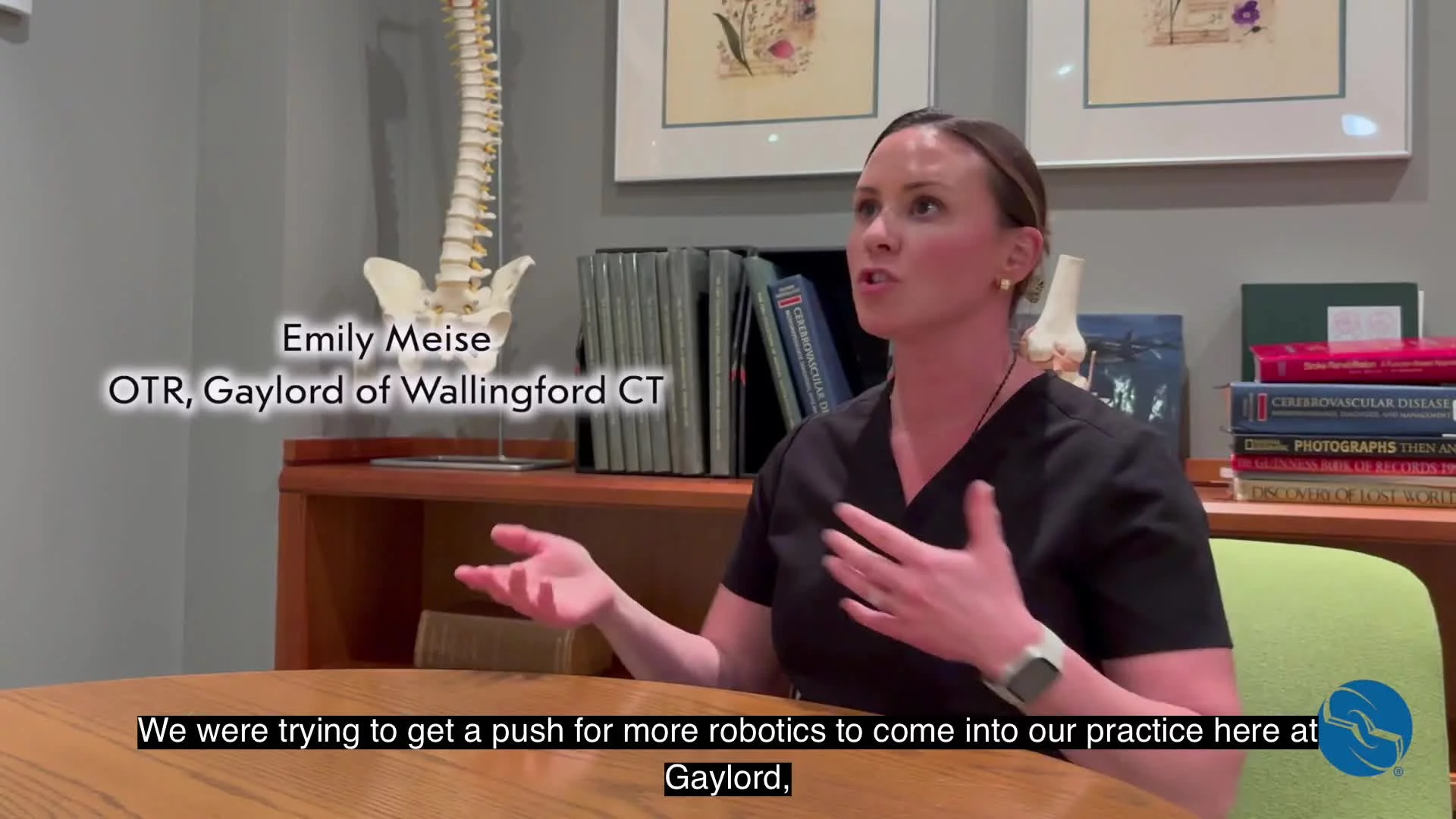
Listen to the reasoning applied by the therapist and the enthusiasm of the patient.

This video testimonial listens to a therapist and patient while using Burt®.

This series of patients underscores the importance of patient motivation.
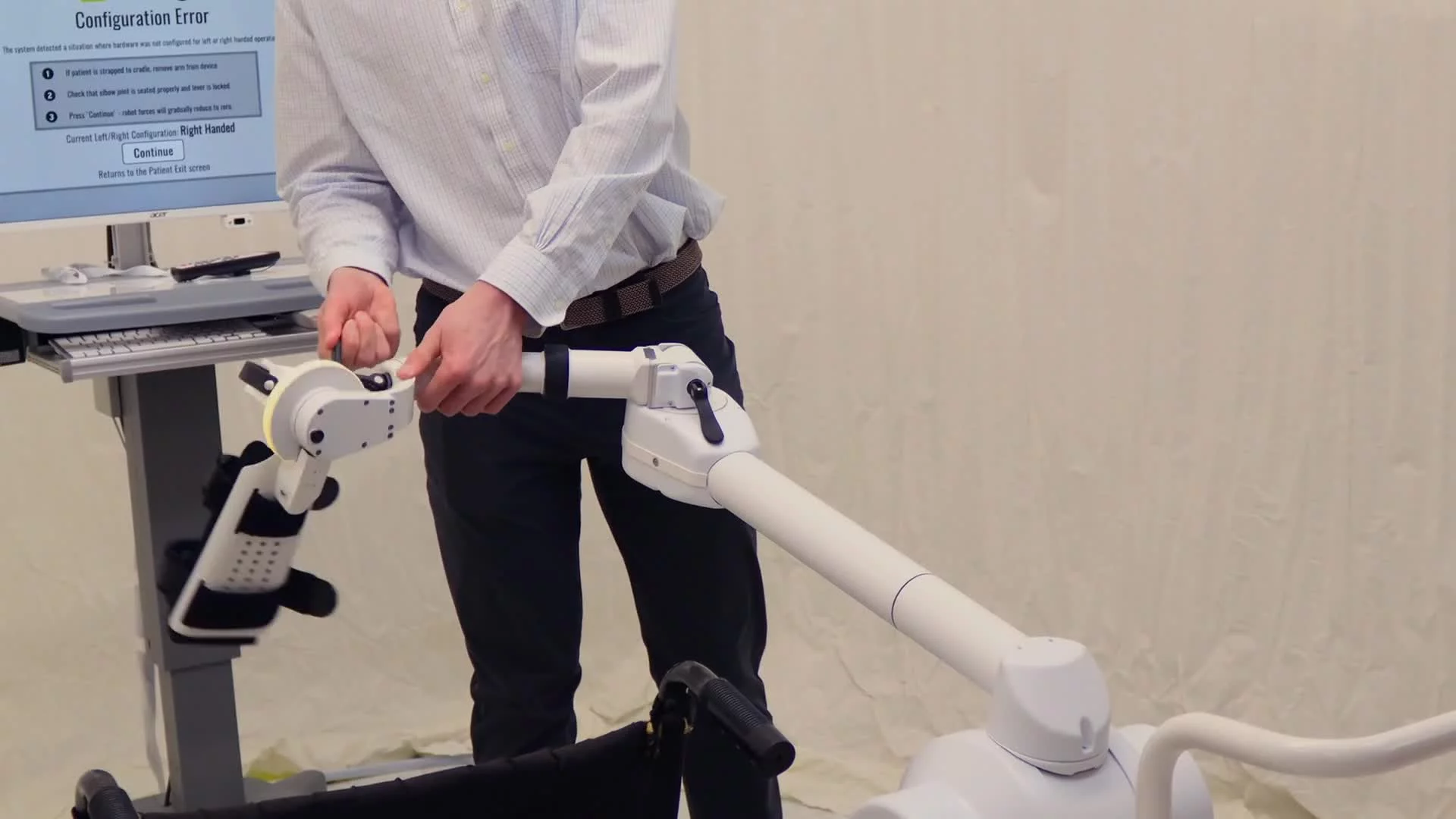
It takes only 30 seconds to set up a patient in Burt® and just a few seconds more for swapping handedness.
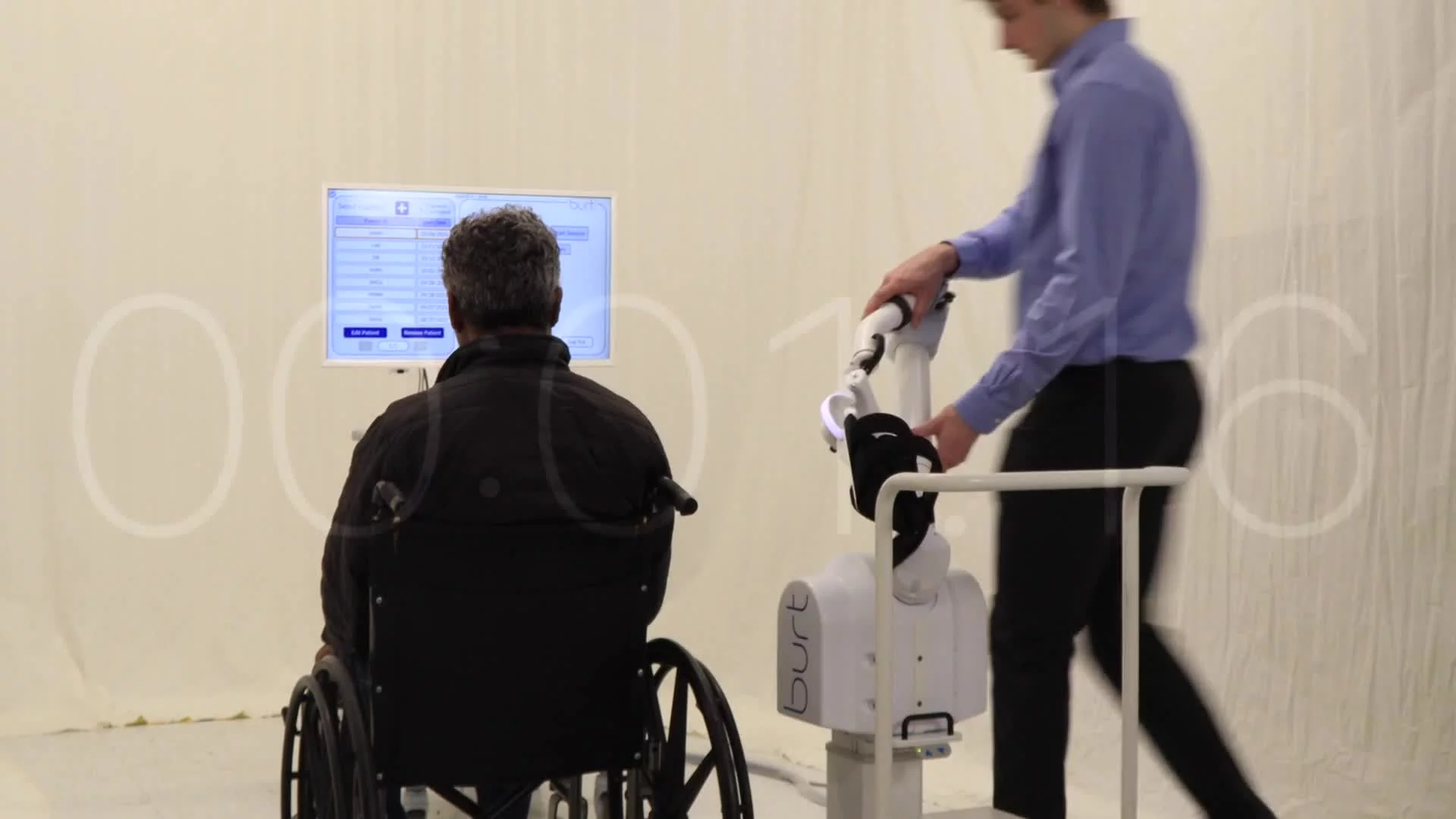
While other robots take 5-15 minutes to set up and calibrate, Burt® takes a mere 30 seconds, saving valuable time.
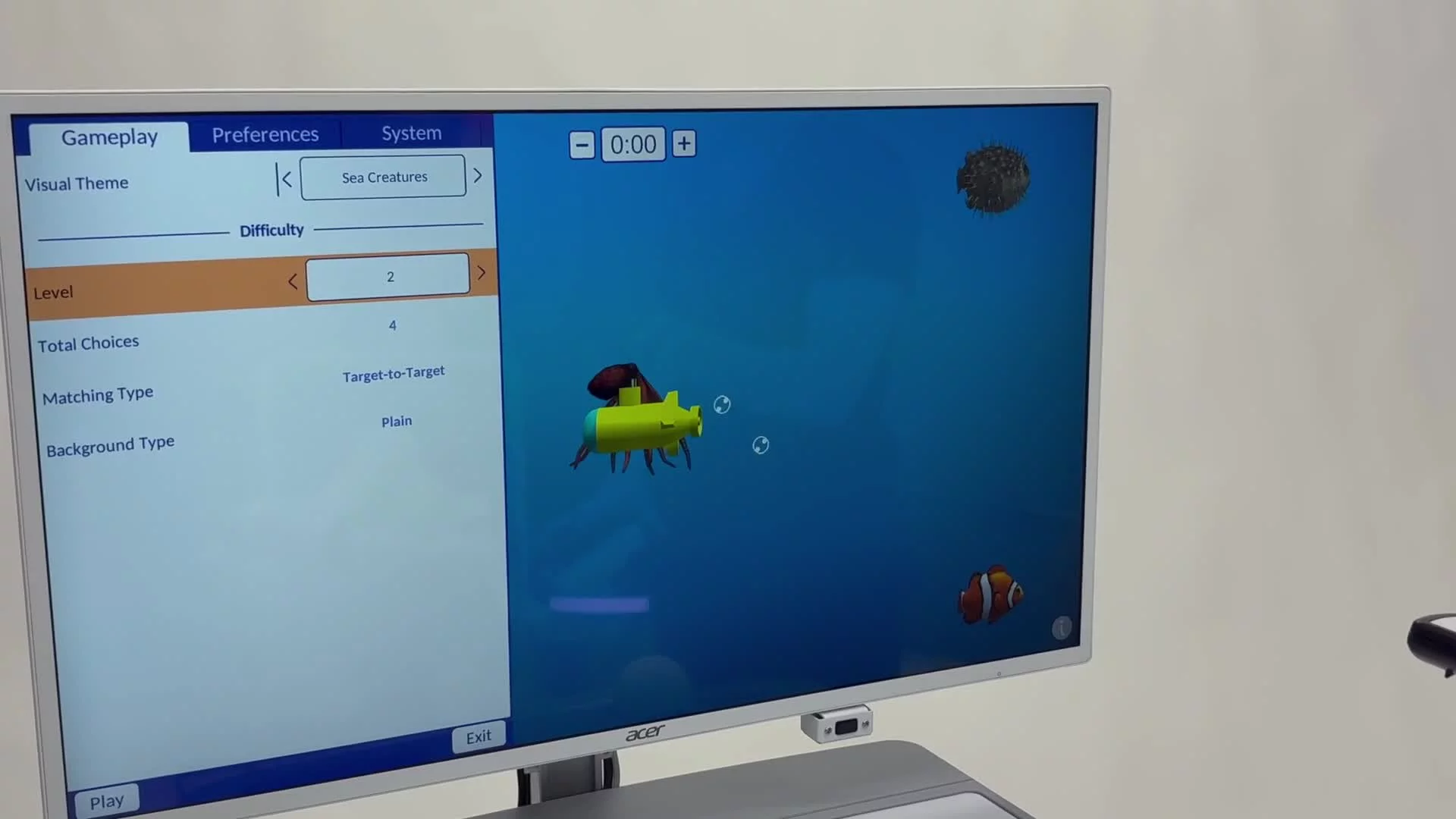
Many patients suffer from visual neglect, which Burt® is designed to accommodate.